
By midnight the fog horn became our second heartbeat; we counted each blast between waves to be sure the light still carried.
Stories from the lantern room and the keeper’s home
Lives behind the light
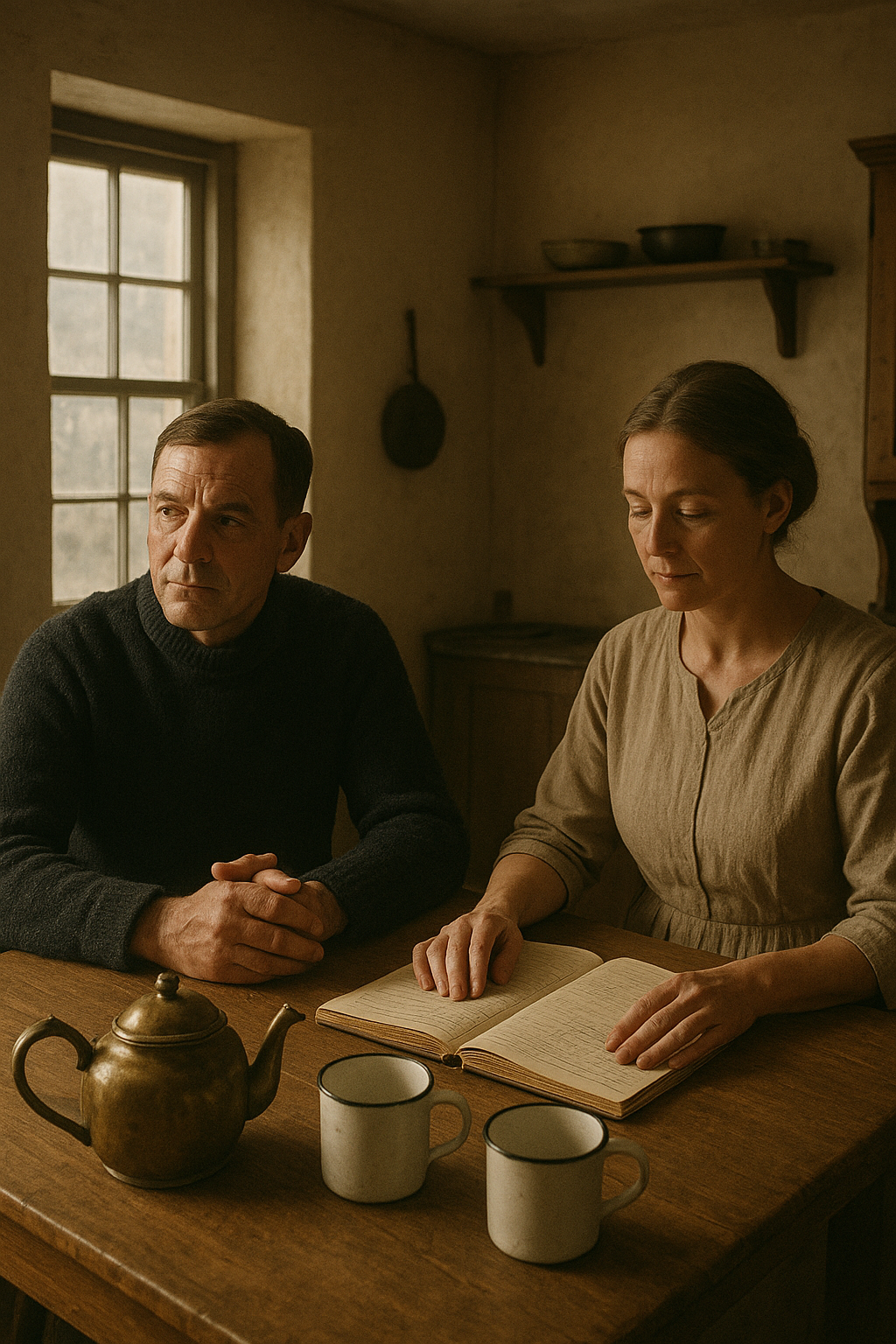
Keeper journals, household records, and oral memories reveal how lighthouse service shaped ordinary days as much as storm nights. These stories place families, routines, and personal endurance at the center of beacon history, preparing the way for the quoted recollections below.
Keeper voices
Human excerpts from the lamp room and shoreline watch.
Brief oral-history fragments capture routine, weather, and duty across the northern coast stations.
-
-
Ice formed inside the lantern glass before dawn; we warmed the metal with our hands so the mechanism would not seize before first ships.
-
When storms held for days, the lamp table became both chart desk and supper board.
-
At change of watch we logged weather first, then names of passing boats, because memory fades faster than sea marks if you do not write them.
Editorial notes
Oral history notes
These short field notes broaden the voices heard in keeper recollections, tracing patterns that return across stations and decades.
Next perspective
Move into preserved tower locationsStorms
Accounts often describe weather as a weekly force rather than an exceptional event, with gale nights setting the tempo for sleep, repairs, and morning checks.
Lantern work
Routine lantern care appears in nearly every interview: trimming wicks, polishing glass, and keeping steady light quality were treated as craft, not mere maintenance.
Family rhythms
Family life followed tide tables and watch shifts, with schooling, meals, and correspondence arranged around duty windows rather than conventional town schedules.
Preservation memory
Later recollections shift from duty logs to place-memory, where former keepers and descendants map vanished outbuildings and advocate for surviving towers as shared landmarks.