
Northern Coast Chronicle · 1838 to the present

A shoreline history shaped by beacon technology, keeper labor, and patient preservation

This timeline opens with the first fixed coastal lights, follows the shift from oil lamps to engineered optics, and traces the people who kept those signals through winters, fog, and shipping change. It closes in the present day, where restored towers, surviving records, and community stewardship keep the northern coast’s beacon history readable for new generations.
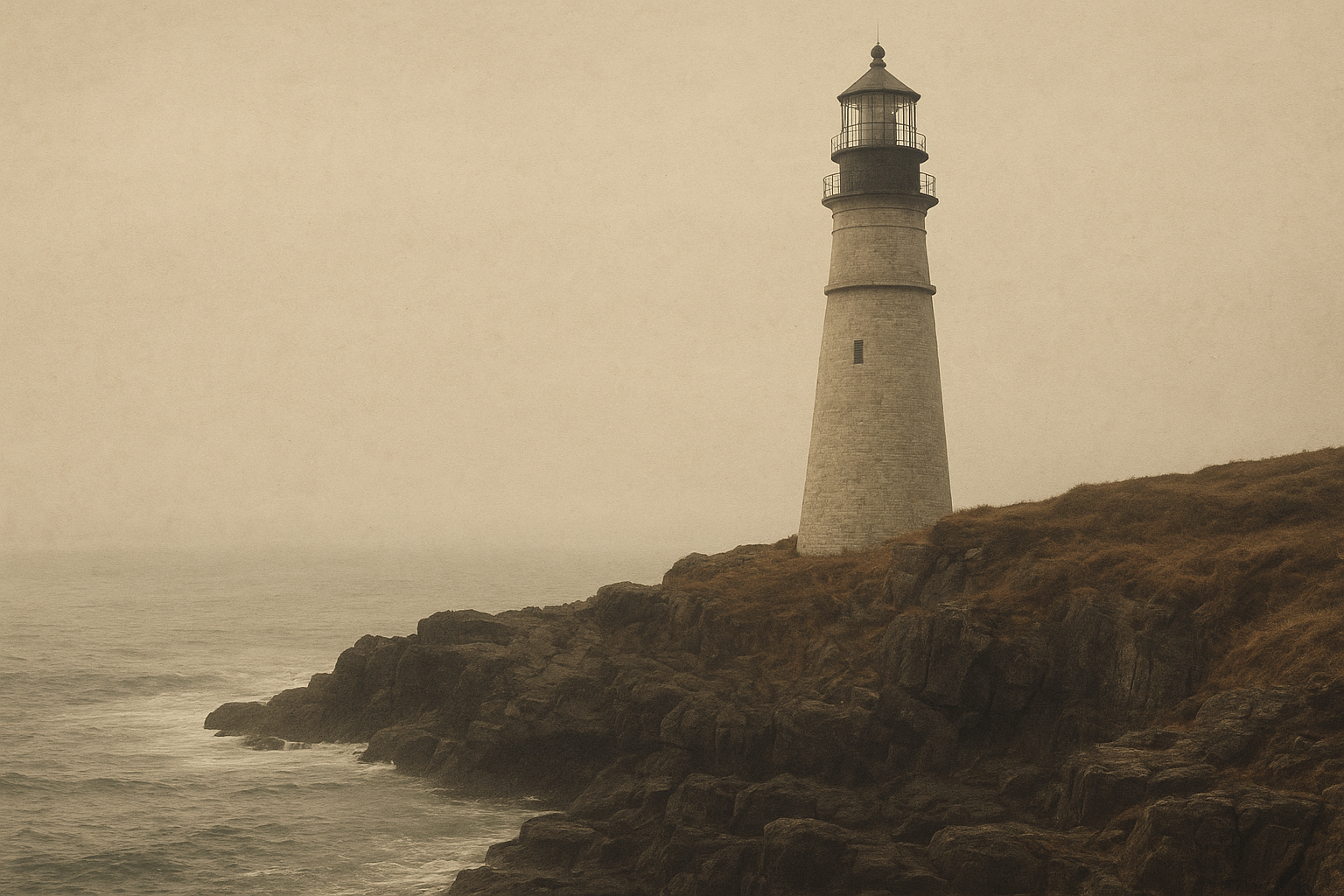
Archival photograph of a northern coast lighthouse on dark cliffs with calm sea haze and warm film grain

Chronology at a glance

Major eras of northern coast lighthouse development

A quick five-phase timeline to frame the archive: from first coastal signaling points to present-day preservation of surviving towers.

  1. 1790s–1830s

    Early signaling

    Harbor fires, beacons, and temporary lights marked dangerous inlets before permanent masonry towers were established.

  2. 1830s–1890s

    Major tower construction

    Stone and cast-iron structures expanded along trade routes, creating a durable coastal network for night navigation.

  3. 1890s–1930s

    Keeper-era maturity

    Routine logbooks, family quarters, and coordinated signal schedules defined the daily human stewardship of the lights.

  4. 1930s–1980s

    Automation

    Electrification, radio aids, and remote controls reduced on-site staffing while preserving navigational reliability.

  5. 1980s–today

    Preservation

    Heritage groups and local archives stabilized surviving towers and documented keeper histories for public study.

Historical texture

Life and infrastructure across northern coast lighthouse eras

Founding Beacon Era (1820s–1860s)

Early towers were isolated masonry posts linked to fishing routes and packet traffic. Keepers worked with hand-trimmed lamps and weather logs, while supply boats and village paths slowly formed the first coastal support network.

Industrial Signal Era (1870s–1920s)

Iron stair systems, standardized lenses, and telegraph coordination tightened the coast's warning chain. Station life became more procedural, yet family quarters, seasonal fog, and maintenance labor still defined daily rhythm.

Automation and Preservation Era (1930s–present)

Radio beacons and automated optics reduced permanent staffing, shifting many towers from working stations to heritage landmarks. Community archives, restoration groups, and visiting researchers now carry the memory once held by resident keepers.

For first-hand voices from these transitions, continue to the Stories page.